Pectus deformities affect 1 in 400 people and can cause breathlessness, reduced exercise tolerance and significant psychological distress. Modern Nuss and Ravitch procedures deliver excellent cosmetic and functional results.
What is pectus?
Pectus excavatum (sunken chest) and pectus carinatum (pigeon chest) are chest wall deformities affecting about 1 in 400 people. Beyond appearance, they can compress the heart and lungs, causing breathlessness, palpitations and poor exercise tolerance.
The Nuss procedure
The minimally invasive Nuss procedure inserts a curved metal bar behind the sternum that gradually remodels the chest wall over 2-3 years, then is removed. It is the treatment of choice for symmetric deformities, especially in young patients.
The Ravitch procedure
For asymmetric or complex deformities, the open Ravitch approach reshapes the cartilage and sternum directly. It offers reliable, lasting correction.
Outcomes
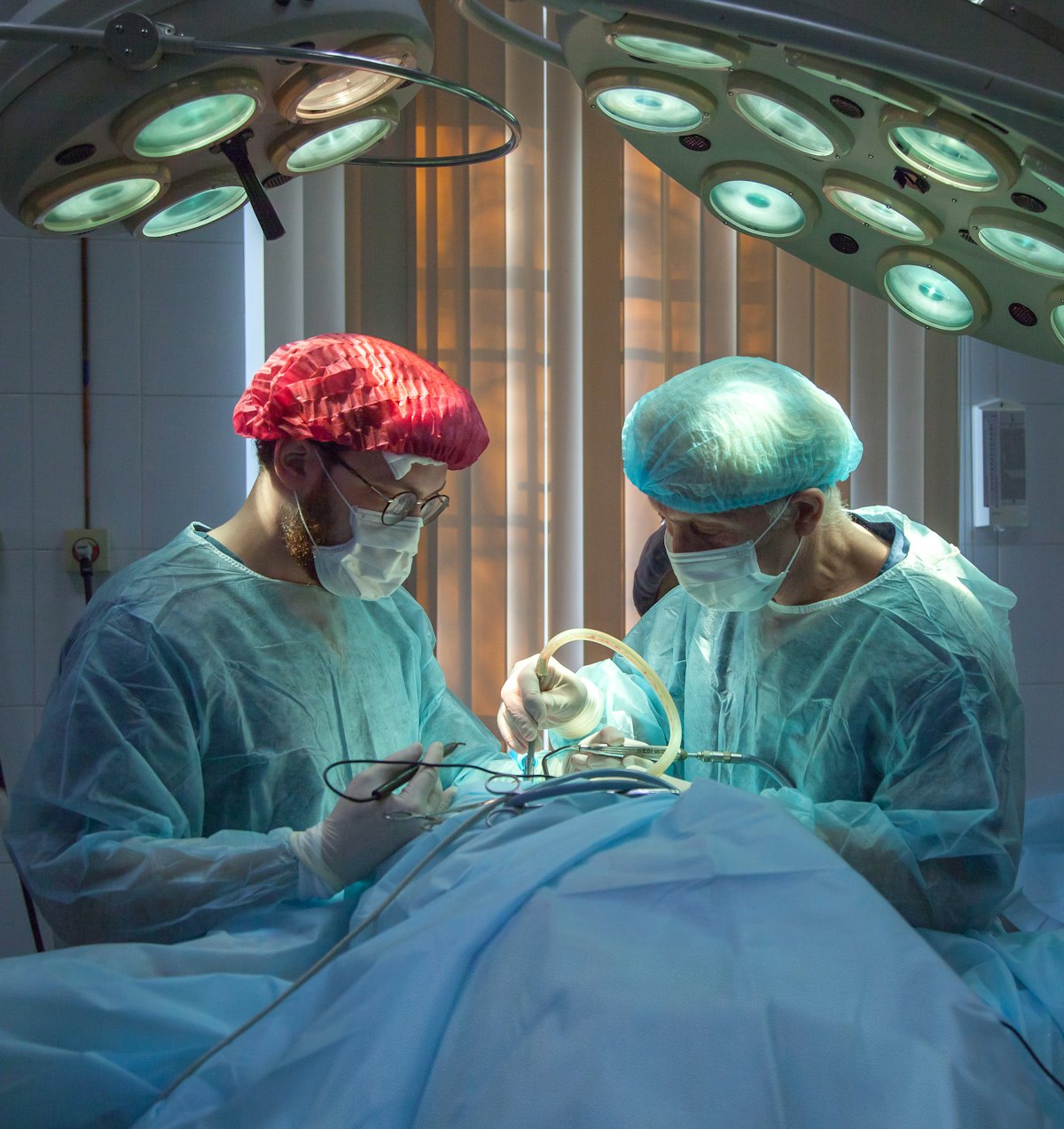
Both procedures are performed under general anaesthesia with a hospital stay of 4-6 days at Hameed Latif Hospital, Lahore. Long-term satisfaction - both cosmetic and functional - is excellent.