Pleural Effusion (Water Around the Lung)
Pleural effusion is the collection of fluid in the space around your lung. When the fluid builds up, it squashes the lung and makes you breathless, tired and uncomfortable.

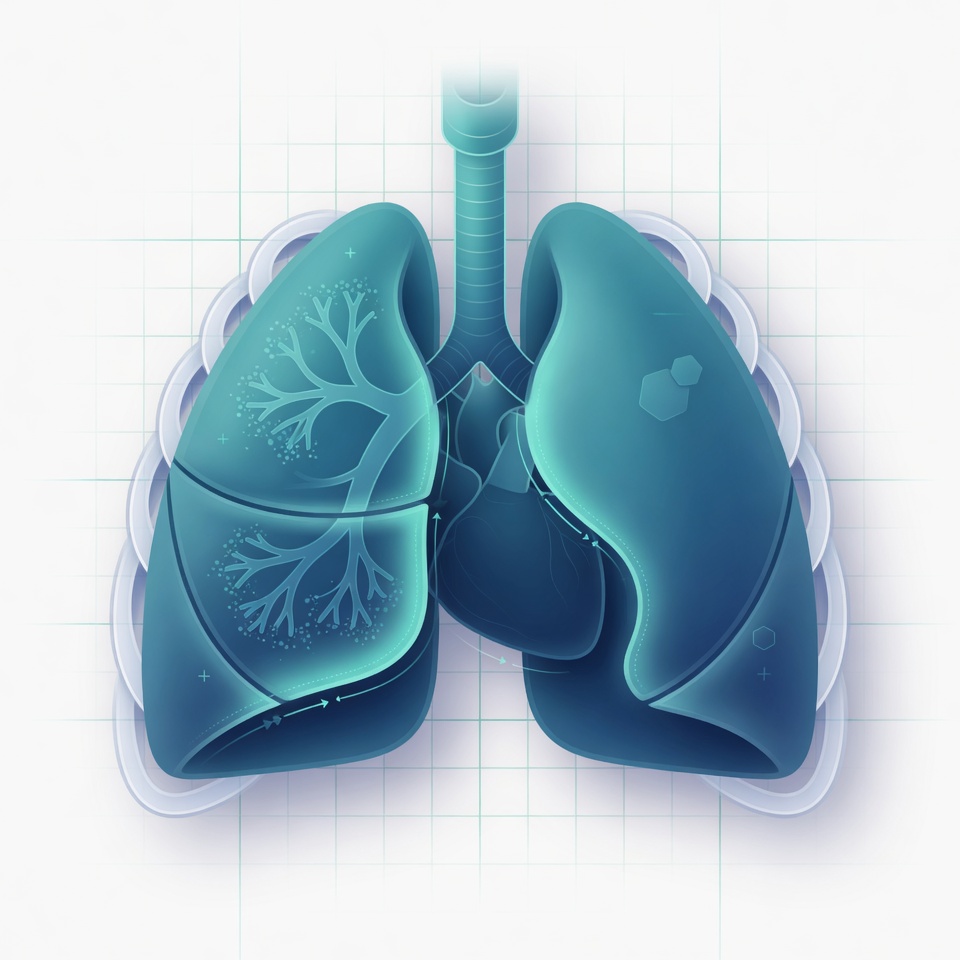
Why does water collect around the lung?
The pleura produces a tiny thin film of fluid to lubricate the lung. Whenever that balance is disturbed - by infection, inflammation, cancer, heart or kidney disease - the space can fill with litres of fluid.
The fluid is a signal, not the disease itself. So the first question is always: why is it forming? Depending on the cause, the fluid can be a clear transudate (heart, kidney, liver) or an infected, milky or blood-stained exudate that needs surgical attention.
Small amounts usually produce few symptoms. Large collections press on the lung and cause progressive breathlessness - that is when drainage becomes urgent. If fluid has been present for long, the lung can get stuck to the chest wall (fibrothorax), which is far harder to fix.
The different forms
Infections & TB
A common cause in our region - pneumonia resolving badly or tuberculosis can both fill the chest with fluid.
Malignant effusion
Lung, breast or other cancers spread to the pleura and cause fluid that quickly returns after drainage.
Heart, kidney, liver
Weak heart, kidney failure or cirrhosis push fluid into the chest - managed mainly medically.
Pancreatitis & others
Inflammation of nearby organs can irritate the pleura and trigger fluid formation.
Watch real cases from our operating theatre
Dr Ahmad Ali explains the condition and surgery in simple words.
How you know you have it
Typical symptoms
- Progressive shortness of breath
- Heaviness or pain on one side of the chest
- Dry cough and low-grade fever
- Unexplained weight loss or loss of appetite
When to seek help urgently
- Breathlessness that worsens day by day
- Drowsiness or confusion
- Coughing up blood
- High fever with chills and sweating
How it is confirmed
Chest X-Ray
The simplest way to see how much fluid is present on the affected side.
Ultrasound
Shows where the fluid sits and guides a safe, needle-free-pain drainage point.
CT Scan
Details the lung and the lining, and looks for the underlying cause.
Fluid Analysis + Biopsy
Fluid is sent to the lab, and if infection or cancer is suspected, a VATS biopsy confirms it precisely.
The procedures Dr Ahmad Ali performs
Drain first, then deal with the cause - that is the ChestExperts approach to fluid around the lung.
Tube Thoracostomy (Ultrasound-Guided Drain)
- What it is — A thin tube drains the fluid, relieves breathlessness and lets your lung re-expand under ultrasound guidance.
- Eligibility — Large or symptomatic collections, infected fluid (empyema) or before diagnosing the cause.
- Stay — Often a day-care or short stay, depending on the reason for the fluid.
- Recovery — You feel lighter and can breathe deeper as soon as the fluid is out.
Talc Pleurodesis
- What it is — Sterile talc is sprayed in to glue the lung to the chest wall, stopping malignant fluid returning.
- Eligibility — Cancer-related effusion that fills back up after each drain.
- Stay — Usually 2-4 days in hospital.
- Recovery — Drain removed in a few days; most patients need no further tapping afterwards.
VATS Pleural Biopsy
- What it is — Through keyhole cuts, the lining is inspected and precise biopsies taken under direct vision.
- Eligibility — TB, cancer or other causes that simple fluid tests cannot nail down.
- Stay — Usually 1-2 days.
- Recovery — Back to routine life in about a week.
Benefits of treatment at ChestExperts
Ultrasound-safe drainage
Fluid is drained at the safest spot, under scan guidance, with minimal discomfort.
Cause-focused, not just relief
We find why the fluid is forming so it does not keep coming back.
Stops repeat visits
Pleurodesis means no more repeated tapping for malignant effusion.
Keyhole biopsy
A precise VATS answer when infection or malignancy is suspected.
Short stay
Many patients go home the same day; most within a couple of days.
WhatsApp follow-up
Send us your report and we guide the next step without an extra visit.
Thoracic & Chest Surgeon
Meet Dr Ahmad Ali
Specialist thoracic and chest surgeon at Hameed Latif Hospital, Lahore - focused on minimal-pain, minimal-stay surgery, including for Pleural Effusion (Water Around the Lung).
Dr Ahmad Ali treats every patient as his own. He first understands the problem completely - your symptoms, your scan and your daily life - before recommending anything. He explains each step simply, in Urdu or English, and never pushes a procedure that is not truly needed.
How he can help with Pleural Effusion (Water Around the Lung): He confirms the exact diagnosis, then chooses the least invasive option that is genuinely safe for your stage and performs it with precision, so your recovery is smooth. For most cases, the procedure Dr Ahmad Ali performs here is Tube Thoracostomy (Ultrasound-Guided Drain) while more advanced disease is handled with Talc Pleurodesis.
Bring your reports - he tells you what they really mean, in simple words.
Only the tests that are genuinely needed are ordered - no extra burden.
The safest option for your exact stage, with clear and transparent cost.
The procedure, then careful follow-up until you are fully recovered.
Frequently Asked Questions
What is Pleural Effusion?
What are the symptoms of Pleural Effusion?
How is Pleural Effusion diagnosed?
How is Pleural Effusion treated?
What are the benefits of treatment at ChestExperts?
How do I book a consultation at ChestExperts?
You may also want to know about
Feeling heavier breathless lately?
Fluid around the lung is treatable. Bring your X-ray or report and get a clear plan today.