
Hiatal Hernia (Hernioplasty)
A hiatal hernia is a hole in the diaphragm that lets the top of your stomach slide up into the chest. It causes heartburn, reflux and chest tightness - and it can be repaired for good.

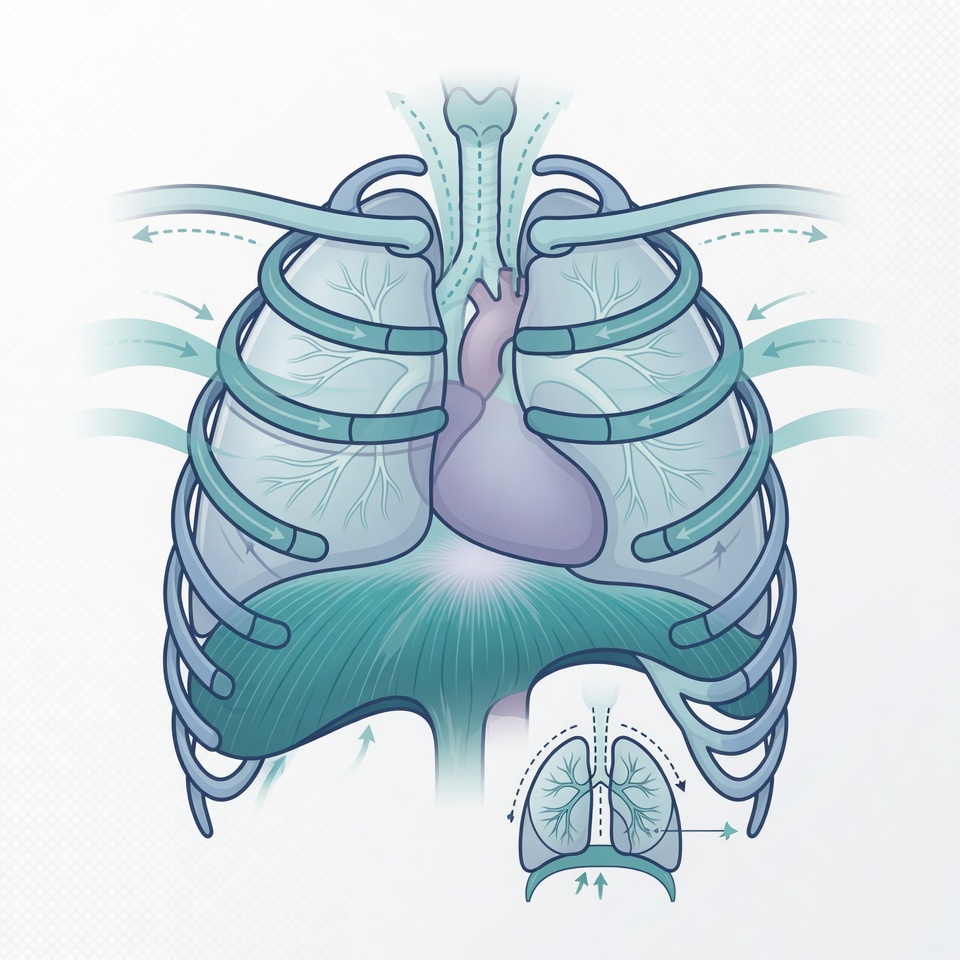
What a hiatal hernia does
The diaphragm acts as a tight belt between chest and tummy. When its opening stretches, the stomach top moves up and the valve that stops acid stops working - so acid burns your food pipe (reflux).
This is why some people always have heartburn, a sour taste, a feeling of food sticking, or worsening chest pain at night. Simple hiatal hernias are treated with medicine and weight control, but large or stubborn ones need repair.
The operation - hiatal hernioplasty - pulls the stomach back down, closes the hole, and tightens the valve. Done by keyhole, most patients are home in a day or two and off the acid medicines for good.
The different forms
Sliding hernia
The commonest type - the stomach slides up and down with swallowing; drives reflux.
Paraesophageal hernia
The stomach stays up beside the food pipe - it can strangulate and is operated electively.
Mixed / large hernia
Large hernias need a firmer repair, sometimes with mesh for extra strength.
Reflux disease (GERD)
Often found together with a hiatal hernia - repaired together with the valve.
Watch real cases from our operating theatre
Dr Ahmad Ali explains the condition and surgery in simple words.
How you know you have it
Typical symptoms
- Heartburn after meals or lying flat
- Acid taste rising into the mouth
- Food sticking or slow swallowing
- Chest or upper tummy pain, worse at night
When to seek help urgently
- Sudden severe chest pain with vomiting
- Inability to swallow even water
- Shortness of breath with a large hernia
How it is confirmed
Barium Swallow
Shows the stomach slide up through the diaphragm with swallowing.
Endoscopy (Gastroscopy)
Looks at the valve and any acid damage to the food pipe.
CT Chest
Clear picture of a large or paraesophageal hernia.
Manometry / pH Study
Measures acid and valve pressure when symptoms are unclear.
The procedures Dr Ahmad Ali performs
The diaphragm and the valve are fixed together - because reflux and hernia are one problem.
Hiatal Hernioplasty (Laparoscopic)
- What it is — The stomach is pulled down, the diaphragm hole closed (and reinforced if large) and the valve tightened - all through tiny cuts.
- Eligibility — Reflux not controlled medically, large hernias, or food sticking.
- Stay — 1-2 days.
- Recovery — Eating normally within days; medicines often stopped completely.
Repair of Strangulated Hernia
- What it is — An urgent procedure when a paraesophageal hernia traps the stomach; the stomach is returned and the hole closed.
- Eligibility — Acute symptoms of a blocked/strangulated stomach.
- Stay — 3-5 days.
- Recovery — Recovery follows the underlying emergency situation.
Benefits of treatment at ChestExperts
Real, lasting cure
The hole and valve are fixed once - most patients stop acid medicines completely.
Keyhole comfort
Tiny cuts, a day or two in hospital, fast return to life.
Heartburn gone
The constant burning, sour taste and night symptoms disappear.
Protects the food pipe
Stopping acid saves the lining from long-term damage.
Mesh when needed
Large holes are reinforced for an extra-strong, lower-recurrence repair.
Eating normal again
You eat meals without fear or planning around symptoms.
Thoracic & Chest Surgeon
Meet Dr Ahmad Ali
Specialist thoracic and chest surgeon at Hameed Latif Hospital, Lahore - focused on minimal-pain, minimal-stay surgery, including for Hiatal Hernia (Hernioplasty).
Dr Ahmad Ali treats every patient as his own. He first understands the problem completely - your symptoms, your scan and your daily life - before recommending anything. He explains each step simply, in Urdu or English, and never pushes a procedure that is not truly needed.
How he can help with Hiatal Hernia (Hernioplasty): He confirms the exact diagnosis, then chooses the least invasive option that is genuinely safe for your stage and performs it with precision, so your recovery is smooth. For most cases, the procedure Dr Ahmad Ali performs here is Hiatal Hernioplasty (Laparoscopic) while more advanced disease is handled with Repair of Strangulated Hernia.
Bring your reports - he tells you what they really mean, in simple words.
Only the tests that are genuinely needed are ordered - no extra burden.
The safest option for your exact stage, with clear and transparent cost.
The procedure, then careful follow-up until you are fully recovered.
Frequently Asked Questions
What is Hiatal Hernia?
What are the symptoms of Hiatal Hernia?
How is Hiatal Hernia diagnosed?
How is Hiatal Hernia treated?
What are the benefits of treatment at ChestExperts?
How do I book a consultation at ChestExperts?
You may also want to know about
Heartburn and chest pain that keeps returning?
Let us find out if the diaphragm is the culprit - the fix may be one small keyhole surgery away.